How to Make Duct Cleaning Results Last Longer?
- rankorbit831
- Nov 14, 2025
- 5 min read

Indoor air quality is something most people don’t think about until allergies flare up, dust piles faster than usual, or the HVAC system starts blowing air that just doesn’t feel clean. The frustration grows because even after duct cleaning, some homeowners feel the fresh results fade too fast. The truth is, duct cleaning is only the first step what you do afterward determines how long those results last.
If you live in an area where seasonal changes, humidity, and household activity increase dust buildup, like residents needing Duct Cleaning in Bay shore NY, keeping your ducts clean for the long run becomes even more important. In this guide, we’ll break down practical steps you can take to extend the life of your duct cleaning results and maintain cleaner, healthier indoor air.

Understanding What Affects How Long Duct Cleaning Lasts
Many factors influence how quickly dust, debris, and allergens return to your ducts. Knowing these factors helps you create a plan that keeps your home fresh.
Lifestyle Habits That Influence Air Quality
Pet hair and dander
Frequent cooking
Burning candles or incense
Indoor smoking
High foot traffic
Environmental Factors
Seasonal pollen
Coastal humidity
Urban pollution
Construction dust nearby
HVAC System Age and Condition
Older systems naturally collect dust faster and circulate more air particles.
Improve Your HVAC Filter Habits
One of the most effective ways to maintain duct cleanliness is staying consistent with air filter care.
Choose the Right Air Filter
Filters vary in strength and capability. High-quality filters trap smaller particles, meaning fewer contaminants reach the ductwork.
Replace Filters Regularly
A clogged filter not only reduces airflow but also forces dirty air backward into the system.
Recommended replacement schedule:
Standard filters: every 30 days
Mid-grade filters: every 60–90 days
High-efficiency filters: every 3–6 months
Seal Around the Filter Slot
Air escaping around the filter bypasses filtration completely. A tight seal ensures everything flows correctly.
Maintain a Dust-Control Routine Indoors
The cleaner your home stays, the longer your ducts remain clean. Dust settles onto surfaces before entering air intakes.
Focus on High-Impact Tasks
Vacuum with a HEPA-filter vacuum
Mop hard floors regularly
Clean ceiling fans monthly
Wash curtains and bedding frequently
Reduce Dust at the Source
Use doormats at all entry points
Leave shoes at the door
Groom pets outdoors when possible
These small habits slow the rate at which dust accumulates inside your duct system.
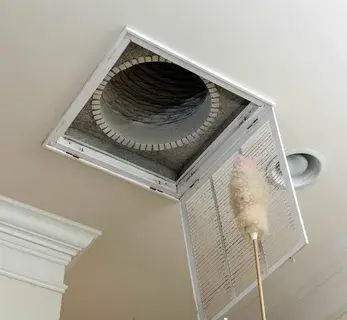
Keep Your Vents and Grilles Clean
If vents remain dirty, dust gets pulled back into the system even after duct cleaning.
Steps to Clean Vents and Grilles
Remove the vent covers.
Vacuum using a brush attachment.
Wipe with a microfiber cloth and mild cleaner.
Let them dry completely before reinstalling.
Signs Your Vents Need More Frequent Cleaning
Visible dust buildup
Dark streaks around edges
Reduced airflow
These visual cues often indicate poor household air quality.
Schedule HVAC Maintenance Annually
Even with regular cleaning, HVAC systems need professional checks to operate efficiently. A clean system helps preserve duct cleanliness.
What Pros Typically Inspect?
Evaporator and condenser coils
Blower motor and belts
Condensation drain lines
Electrical connections
Thermostat accuracy
Professionals like FC Paint ProWash understand how HVAC health affects duct conditions and can recommend additional steps to extend cleaning results.
Manage Humidity Levels Indoors
Humidity plays a major role in how quickly dust sticks to surfaces including duct interiors.
Ideal Indoor Humidity Range
Between 40%–55% is the sweet spot.
High Humidity Problems
Encourages mold growth
Makes dust cling to surfaces
Increases dust mite activity
Low Humidity Problems
Causes airborne particles to circulate faster
Dries out ducts and causes cracking
Consider using dehumidifiers or humidifiers based on seasonal conditions.
Why Sealing and Insulating Ducts Extends Cleanliness?
Properly sealed ducts prevent dust from entering through joints, gaps, or old connections.
Benefits of Sealing and Insulating Ducts
Cleaner air circulation
More consistent temperatures
Better HVAC efficiency
Reduced dust infiltration from attics or crawlspaces
Sealing leaks ensures the air flowing inside the ducts stays clean and controlled.
Reduce Activities That Generate Excess Airborne Particles
Everyday habits contribute to how quickly your ducts get dirty again.
High Dust-Producing Activities
Sanding wood
Renovation projects
Burning candles
Using the fireplace
Running dusty fans or vents
How to Minimize Dust Generation?
Use lids while cooking
Install a quality kitchen vent hood
Burn candles less frequently
Choose electric wax warmers instead
Create a Safe Storage Strategy Indoors
Open storage areas (shelves, open bins, etc.) attract dust and circulate it into the air.
Dust-Minimizing Storage Options
Closed cabinets
Sealed containers
Storage with lids
Covered closet organizers
Small home organization habits lead to longer-lasting duct cleanliness.
How Paver and Outdoor Maintenance Plays a Role?
Most people never consider how outdoor debris affects indoor air. But it does.
If your outdoor surfaces hold dust, dirt, or loose debris, that gets tracked indoors and eventually reaches your ducts.
Services like Paver Sealing in Bay shore NY help reduce the amount of outdoor dirt migrating inside, indirectly supporting better indoor air conditions.
Comparison Table: What Helps Duct Cleaning Last Longer?
Action | Impact Level | Frequency | Notes |
Replacing HVAC filters | Very High | 1–3 months | Most important step |
Cleaning vents | High | Monthly | Prevents recirculation |
Reducing dust indoors | Medium | Weekly | Simple habits add up |
Managing humidity | Medium | Seasonal | Prevents mold and dust |
Sealing ducts | Very High | Every few years | Long-term benefits |
HVAC maintenance | High | Yearly | Extends system lifespan |
Should You Schedule Duct Cleaning More Often?
Most homes need duct cleaning every 2–3 years, but certain conditions shorten that timeline.
Homes That Need More Frequent Cleaning
Pet owners
Allergy sufferers
Smokers
Homes near construction areas
Large families
Older HVAC systems
If you fall into one of these categories, plan inspections sooner to protect your indoor air.
The Role of Professional Cleaning in Long-Lasting Results
No matter how much maintenance you do, professional duct cleaning provides the deep reset your HVAC system needs.
Companies like FC Paint ProWash not only clean ducts thoroughly but also offer guidance on how to maintain the results, personalize tips based on your home, and identify issues the average homeowner might overlook.
Professional cleaning sets the foundation. Your daily habits make those results last.
Frequently Asked Questions
How long should duct cleaning results normally last?
Most homes enjoy clean ducts for about 2–3 years with proper maintenance.
Can dirty filters shorten duct cleaning results?
Yes. Filters directly prevent dust from reaching your ducts.
Should I clean my vents even if my ducts were recently cleaned?
Absolutely. Dirty vents reintroduce dust into your newly cleaned system.
Does humidity affect ducts?
High humidity causes dust and debris to stick inside ducts faster.
Will sealing ducts prevent dust?
Yes. Proper sealing stops outside contaminants from entering your system.
Can outdoor dust affect indoor duct cleanliness?
Yes especially if you track dirt inside. Outdoor maintenance makes a difference.
Conclusion:
Duct cleaning gives your home a fresh start but your maintenance habits determine how long that freshness lasts. From proper filter changes to humidity control and regular cleaning routines, you have the power to dramatically extend the benefits of clean ducts.
If you want professional support, detailed inspections, or expert duct maintenance guidance, the team at FC Paint ProWash is ready to help you enjoy cleaner air for the long run. Take simple steps today and breathe easier tomorrow your home and your health will thank you.


Comments